Accessibility

Math Independence for Blind & Low-Vision Learners

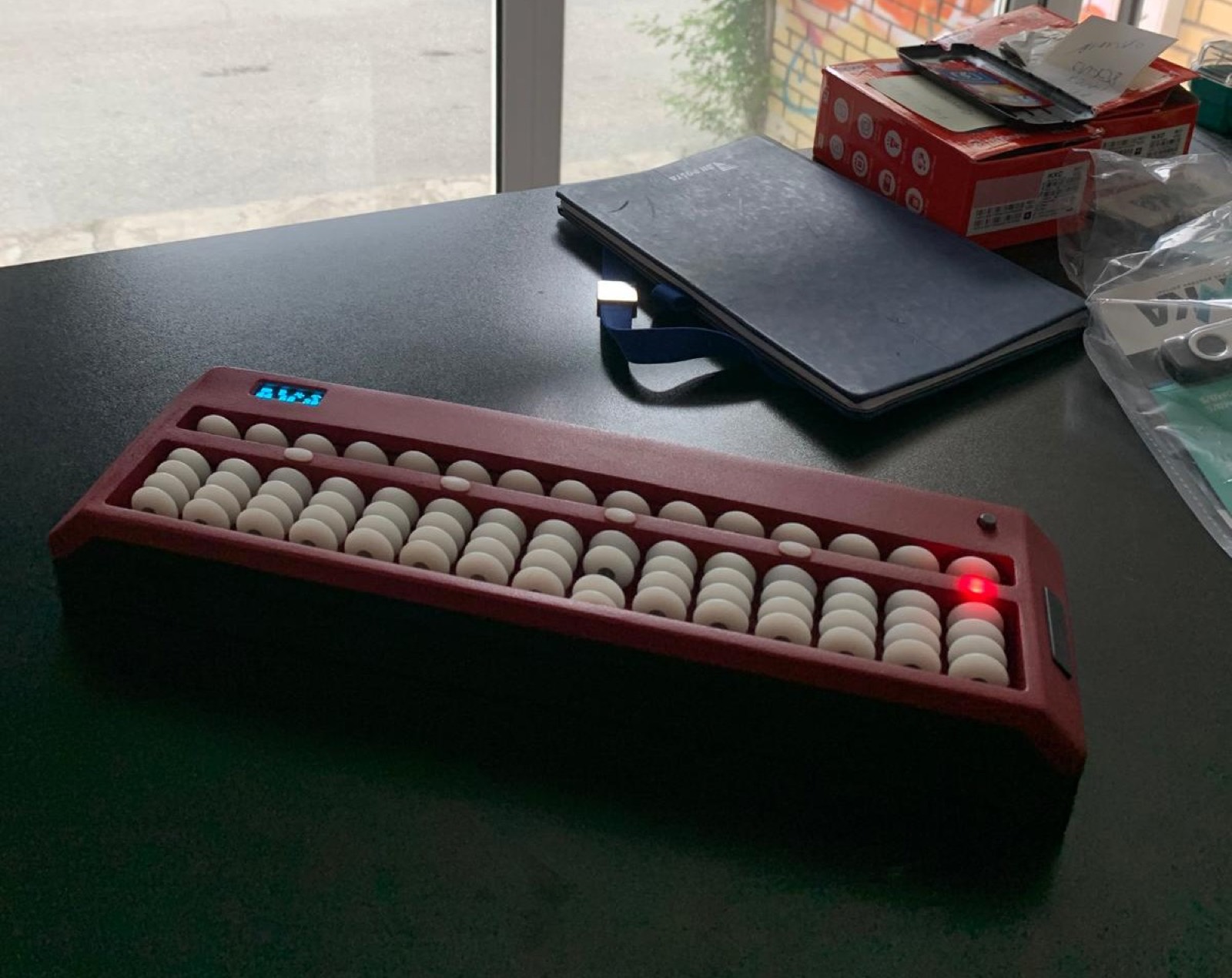
The abacus has always been a naturally tactile calculator. Undugu turns it into a complete learning platform for blind and visually impaired students: real beads under the fingers, a voice that guides every step, and progress adults can trust.
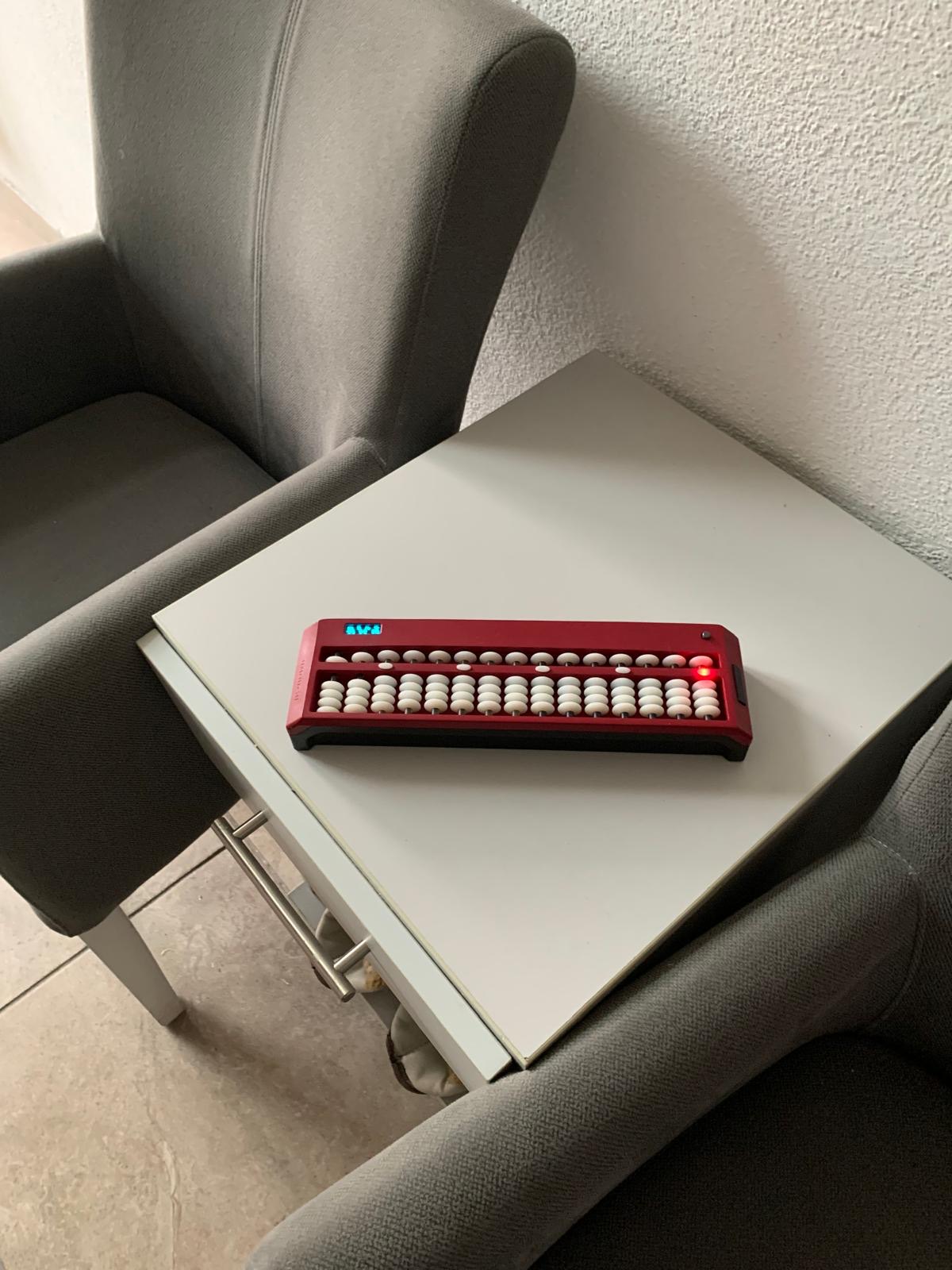
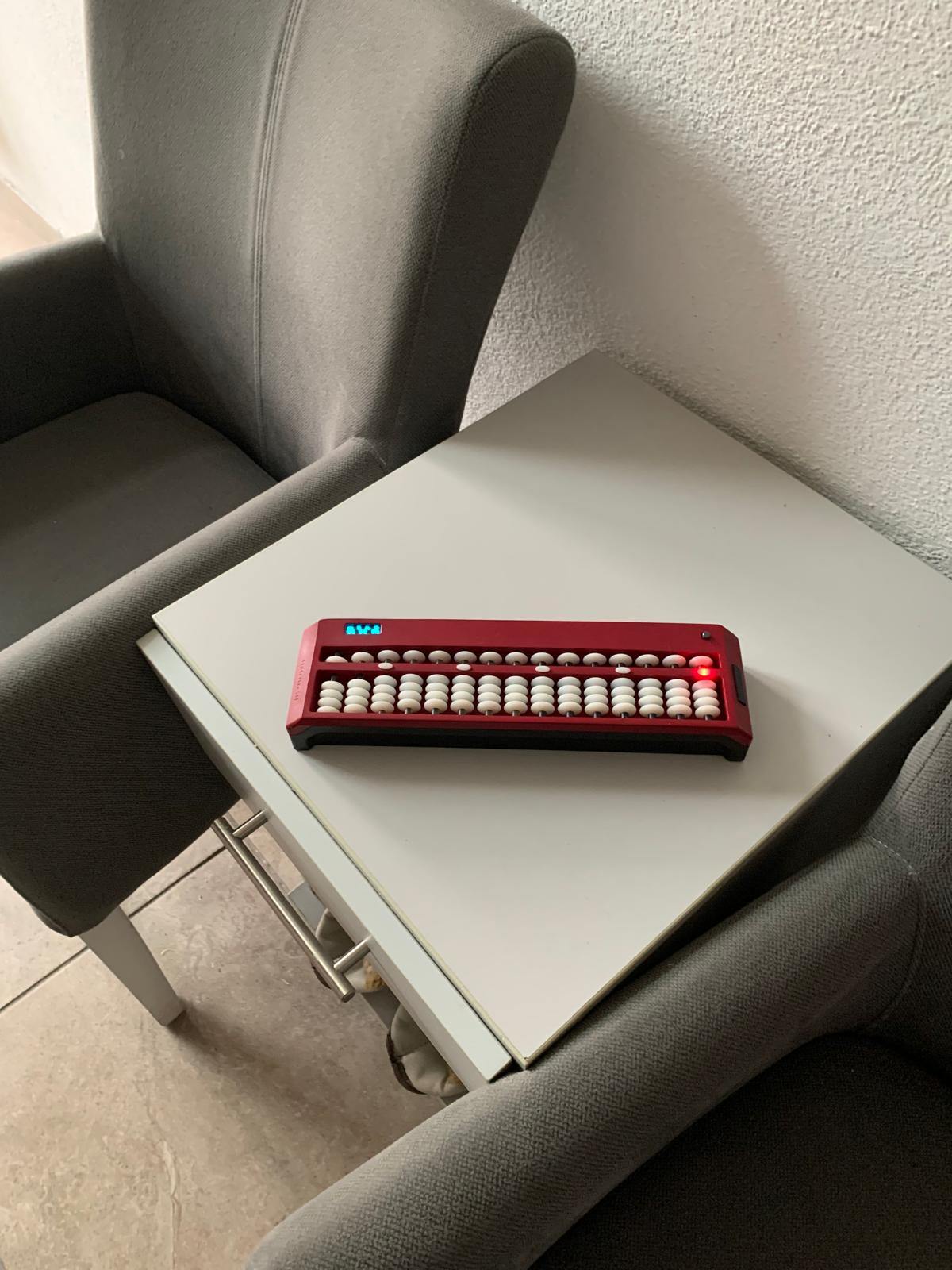
The Undugu tactile abacus
The Need

The Gap We're Closing

Blind and low-vision students face structural barriers to arithmetic fluency: most tools give no accessible feedback, no adaptive progression, and no way to practice independently.

No Feedback

Existing approaches rarely offer continuous, accessible feedback during practice.

No Adaptivity

Materials don't adjust to each student's pace and profile.

No Independence

Practice usually requires a sighted helper — limiting autonomy and confidence.

No Analytics

Educators lack structured data on what's actually working.

Our Answer

Designed Blind-First, Not Adapted Later

Undugu's accessibility mode is engineered for blind-first interaction — the same sensor hardware, with an interface built around touch and sound:

  • Tactile interface — authentic abacus beads with raised unit-rod markers; the device is fully usable by touch alone
  • Continuous audio guidance — the AI teacher narrates lessons, confirms each bead movement, and explains mistakes by voice
  • Adaptive progression — levels advance at the student's pace, verified by the sensors, not by a helper's observation
  • Independent practice — students work on their own, building fluency and confidence
  • Performance tracking — teachers and families see objective progress data
Undugu abacus with tactile beads
Undugu abacus device detail
The Initiative

Building Pilot Programs

We are developing structured pilot programs with institutions serving blind and visually impaired students, beginning in California — with baseline and final fluency assessments, monthly monitoring, and formal impact reporting.

The goal: a repeatable, scalable model for accessible math education — measuring arithmetic speed, accuracy, independent problem-solving, and student confidence.

If you work with blind or low-vision learners — as a school, foundation, or teacher of the visually impaired — we'd love to talk.

Start the Conversation

Bring Accessible Math to Your Students

Schools, institutions, and foundations: partner with us on a pilot.